Metal Max Recyclers
Scrap Metal Myths: 7 Things People Get Wrong About Selling Scrap
Published November 9, 2026 · METALMAX Recyclers
Behind the shed is a galley of old copper pipe; by the fence there’s a dead hot water system, and in the garage there are a couple of broken air conditioners. One part costs a lot! Then there’s also the person who says, ‘oh, it’s not worth the fuel to drop off’.
The two are typically incorrect. Lots of Sydney householders and tradesmen out there are selling scrap metal that’s, to a lesser extent, more than material truths; it literally costs them cash, time, or both.
Since 2008, we’ve been gathering for many years in Sydney, and the same fallacies and misconceptions are recounted repeatedly. The facts to be admitted are that this is what it is like in real life, and really there’s no point in bothering with the ute unless you want to weigh it down with a load of false hope.
Quick answer
- Scrap metal isn’t one product. The cost of copper and brass is markedly different from aluminium, stainless steel, and steel.
- The use of a magnet test will make a difference, but not definitely.
- While sometimes it doesn’t require stripping or cleaning projects, occasionally sorting projects will improve payout.
- The most expensive item on offer may not be the best. Make a check on grading, deductions, and weighbridge.
- You can’t rely on the value of scrap metal; it will always change according to the market, so quotes aren’t exactly guaranteed to last long.
- The good, honest guys in Sydney will request docs and store the records.
Myth #1: All scrap metal is worth the same.
This is the daintiest myth of the lot. A kilo of copper and a kilo of steel are not in the same league. There are two types of scrap:
- Ferrous metals are metals that are rich in iron, like steel and cast iron. They are readily available and earn the least per kilo.
- Non-ferrous metals don’t contain iron, such as copper, brass, aluminium, and lead. They tend to fetch prices much higher per kilo.
Below are very approximate comparisons of the relative values of each metal. All of these are approximate prices, so consult your buyer for the latest prices.
| Metal | Where you’ll find it | Typical value |
|---|---|---|
| Copper | Plumbing pipe, electrical cable, hot water cylinders | Highest of common metals |
| Brass | Taps, fittings and valves | High |
| Stainless steel | Sinks, commercial kitchen equipment, kitchen benchtops | Medium |
| Aluminium | Window frames, gutters, cans, ladders | Medium |
| Steel and iron | Roofing, car bodies, fencing, machinery | Lowest per kilo, high volume |
For a mixed load, sort the metal before determining the value of the overall shipment. Typically, mixed piles are offered at the lowest price, in terms of the lowest quality.
Myth #2: A magnet will tell you exactly what you have.
A refrigerator magnet and a trip to the refrigerator is a convenient first test. If it sticks, it is likely steel and/or iron. If it doesn’t, then you might have something of greater value. However, it is not guaranteed:
- Aluminium, copper, brass, and lead are not magnetic, but they have differing values.
- All in all, there are many stainless steels which are not magnetic, but have values higher than that of ordinary steel.
- Some stainless grades are magnetic and can deceive the other way.
- Items coated or plated may provide an inaccurate reading.
Fake down is more easily sorted out with the magnet, and should be verified by the buyer. At a decent scrap yard, they will be able to recognize it.
Myth #3: All things should be stripped and cleaned first.
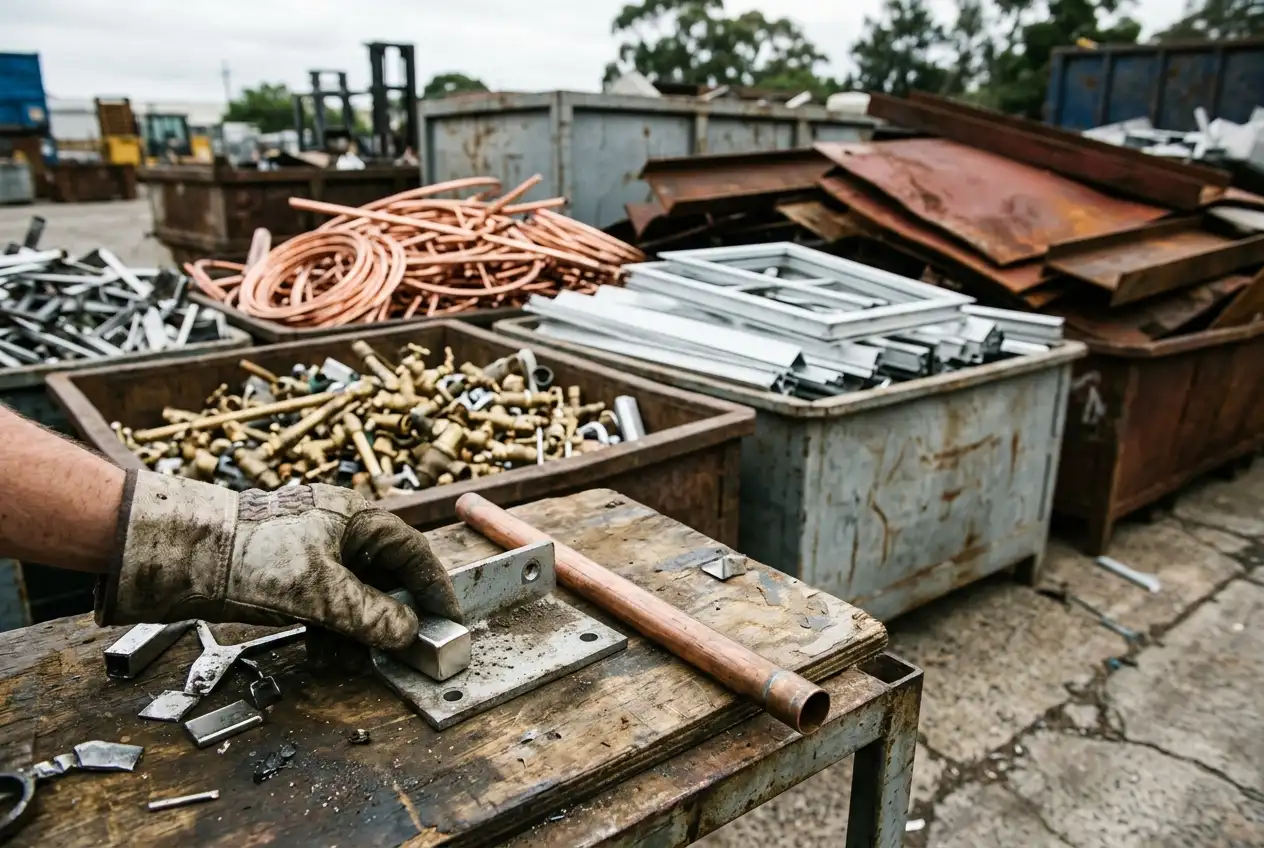
Not always. In the end, people are stripping the cable and scrubbing parts when they’re not getting paid for it, for whole weekends.
When copper wires are stripped, their value per kilo can be increased, as it results in a higher value of copper. However, the gain must be greater than the loss of time, and the insulation is lost. It’s seldom worth the trouble for just a buck. If you’re considering buying a large run of cable, request the two price quotes from your buyer in the beginning.
What does help:
- Sort metals into groups (copper, brass, aluminium, and steel).
- Eliminate contamination that is readily visible, like large pieces of plastic, concrete, or rubber material that have been accreted by the metal.
- Exercise caution when cutting or otherwise damaging items you don’t know, particularly pressure vessels and fluid vessels.
Never disassemble a piece of equipment containing refrigerant, fuel, or hazardous materials without the proper qualifications. For example, handling the refrigerant in the air conditioner requires a licensed technician.
Myth 4: “The highest advertised yard… the higher the price.” Wrong.
A large sign or website isn’t a guarantee of what you are going to return with. However, the level of the grade and the weight, plus any deductions, determine how much is paid in the end.
The items you will need to compare when you sell scrap metal are listed below. Ask each buyer:
- Once the metal is available, from where is it graded, and by whom?
- Has the weighbridge been certified? May I witness the weigh-in?
- Are there any “Dirt, moisture, or attachments” deductions?
- How much will my metal be today on the news, and what is the present word of the day?
A fair scrap metal yard will respond straight away. If they avoid answering the questions, they’re a red flag.
Myth 5: Scrap prices are set.
Prices move. The price of metals is set in the international marketplace, and the Australian dollar has an impact on the cost of what Australian consumers can afford.
This means that the price of scrap metal can fluctuate weekly, even daily. This is particularly true if the same offer is not available for the same price as it was on offer last month.
There is no time to “time the market”. If you find out the length of time needed for a quote to continue and if you will be satisfied with the number, you sell it. Storing scrap in a pile to see if there’s a spurt is a risky undertaking, and that scrapped stuff consumes space in the shed.
Myth #6: Moving the small loads is not economical.
One lorry load of copper and bronze rims could be worth more than one car boot load of steel. Not carrying a small load means not traveling.
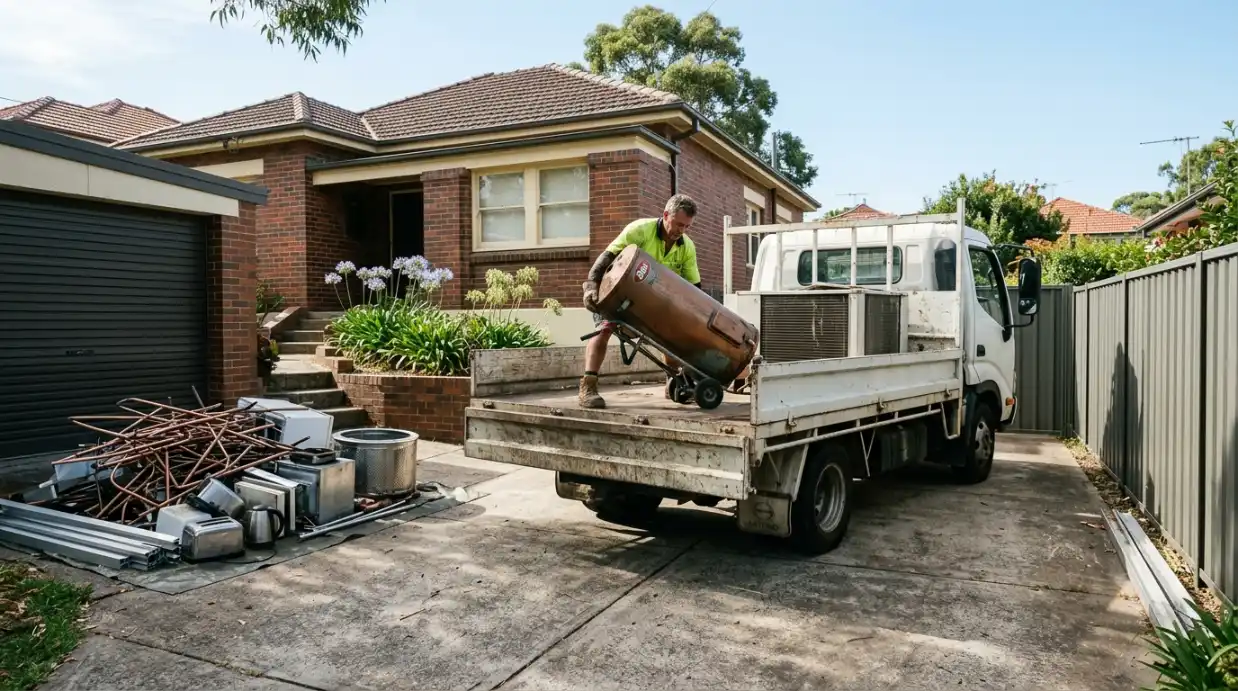
You don’t have to carry heavy items to the dumpster; a scrap metal pickup service will come to you, whether you’re at home, a worksite, or a business. It is particularly convenient when renovating, clearing a shed, a deceased estate, or a factory.
Choosing pickup is best done if:
- You have big items (Old appliances, machinery, hot water systems, etc.).
- You have a workload that requires sorting.
- You are a tradie or small business that regularly has waste that is turned in.
- You don’t have a ute or trailer.
Query: what is included, what the minimum load is, and how access works. There are Sydney-wide scrap metal pick-up services for Sydney homes and businesses.
Myth 7: You don’t have to show any ID to sell.
There are still plenty out there that believe they can pick up a few items and stroll out with transportation and without any documentation. This isn’t how a reputable buyer in Sydney works.
There are issues of scrap theft regarding cables and catalytic converter theft. NSW has regulations on record-keeping, among other requirements, for scrap metal dealers, and good yards obey them.
Expect to:
- Show photo ID.
- Provide a simple answer as to the source of the metal.
- Get a commission or receipt for sale.
If a buyer asks for nothing, treat it as a red flag. This is not good for the industry nor for you in case the contents prove to be stolen. Make sure your sale complies with the NSW requirements before you sell.
When and how can you expect to achieve a fair price for the sale of metal in Sydney scrap?
The myths were condensed into the following easy-to-follow checklist:
- Separate all waste into iron and non-iron/separate valuable iron.
- Perform a magnet test to reduce the options.
- Compare not only the price, but also the portion of the work with the comparison quote; get quotes from 2 contractors.
- If available, talk with and watch them weigh at the weighbridge.
- Have your ID ready and keep your receipt.
- Request to pick up if the load is bulky, heavy, or cumbersome.
Sydney homes and properties normally feature:
What we look for depends on local building styles and conditions.
Older homes. There are numerous Federation and Post-war Sydney homes equipped with copper pipes, brass fittings and cast iron throughout Sydney. These are things to consider before putting in a skip.
Renovation waste. Copper pipes, aluminium window frames, steel framing and Colorbond roofing are the common findings of Sydney’s continuous building process. Keep metal away from walls when doing a knock-out or bathroom replacement.
Salt air. Metals near the coast, on the northern beaches and eastern suburbs, corrode more rapidly. Although rust on steel isn’t that much of a problem, get on non-ferrous ones as it could be a coat of grime that hides the copper or brass.
Business and Market Place venues. Offcuts of wood, cable, and equipment for building and factories collect rapidly at workshops.
Be aware of common mistakes to avoid:
- Intermingling metals in one lot and taking one price.
- Tearing into things that could be sold for more when finished.
- Selling goods before confirming he or she has consulted the recent price of the goods.
- Taking apart appliances containing refrigerant or hazardous fluids.
- Not showing identification.
- It would be reasonable to assume that if the article is rusty or somewhat soiled, it is valueless.
The time and cost should be the determining factors.
Scrap may be a get-rich-quick scheme, but it’s better when you plan it.
- Fuel and time: factor in the trip if traveling heavy with equipment through Sydney.
- Pickup: Collecting a load without turning around.
- Sorting time: the sorting time can increase the value of the mixed load by an hour.
- Safety: anything too heavy to lift, sharp edges, or dangerous substances is not worth visiting the hospital for!
Not sure what you have in the pile? Learn how to identify scrap metal with three simple tests.
Think you can get cash for scrap metal? Check the NSW payment rules first.