Metal Max Recyclers
Ferrous and Non Ferrous Metals: What’s the Difference in Recycling?
If you’ve ever stood near a pile of scrap and thought “this is all just metal,” you’re not alone. Most people see old pipes, wires, car parts, and steel frames and assume it’s all the same. But once you get into recycling, you quickly realise that’s not true at all.Some metals stick to a magnet, some don’t. Some come out of the ground as shiny copper, others look like heavy rusted steel pulled from an old shed. That’s basically where the idea of ferrous and non ferrous metals starts to matter.In simple terms, it’s just about whether iron is inside the metal or not. But in real scrap work here in Sydney, that small detail changes everything — how we sort it, how much it’s worth, and how it gets recycled.If you’re trying to understand what you’ve got lying around or you just want to avoid getting low value for mixed scrap, this breakdown will make things much clearer without overcomplicating it.
Metal Max Recyclers – real scrap sorting experience in Sydney
At Metal Max Recyclers, we see this confusion every single day. Someone brings in a trailer full of mixed stuff — old steel bars, copper wiring, bits of aluminium frames — all dumped together. And the funny part is, a few minutes of sorting before arrival could easily change the payout.We’re not talking theory here. In real jobs around Sydney, especially renovations and car stripping, metals always come mixed. So knowing what is ferrous and what is non ferrous isn’t just “useful knowledge” it directly affects how much value people walk away with. A bit of sorting goes a long way. And if transporting heavy scrap is difficult, Scrap Metal Pickup in Sydney is a practical option for clearing unwanted metal while keeping valuable recyclable materials out of landfill.
What are ferrous metals (in real simple terms)
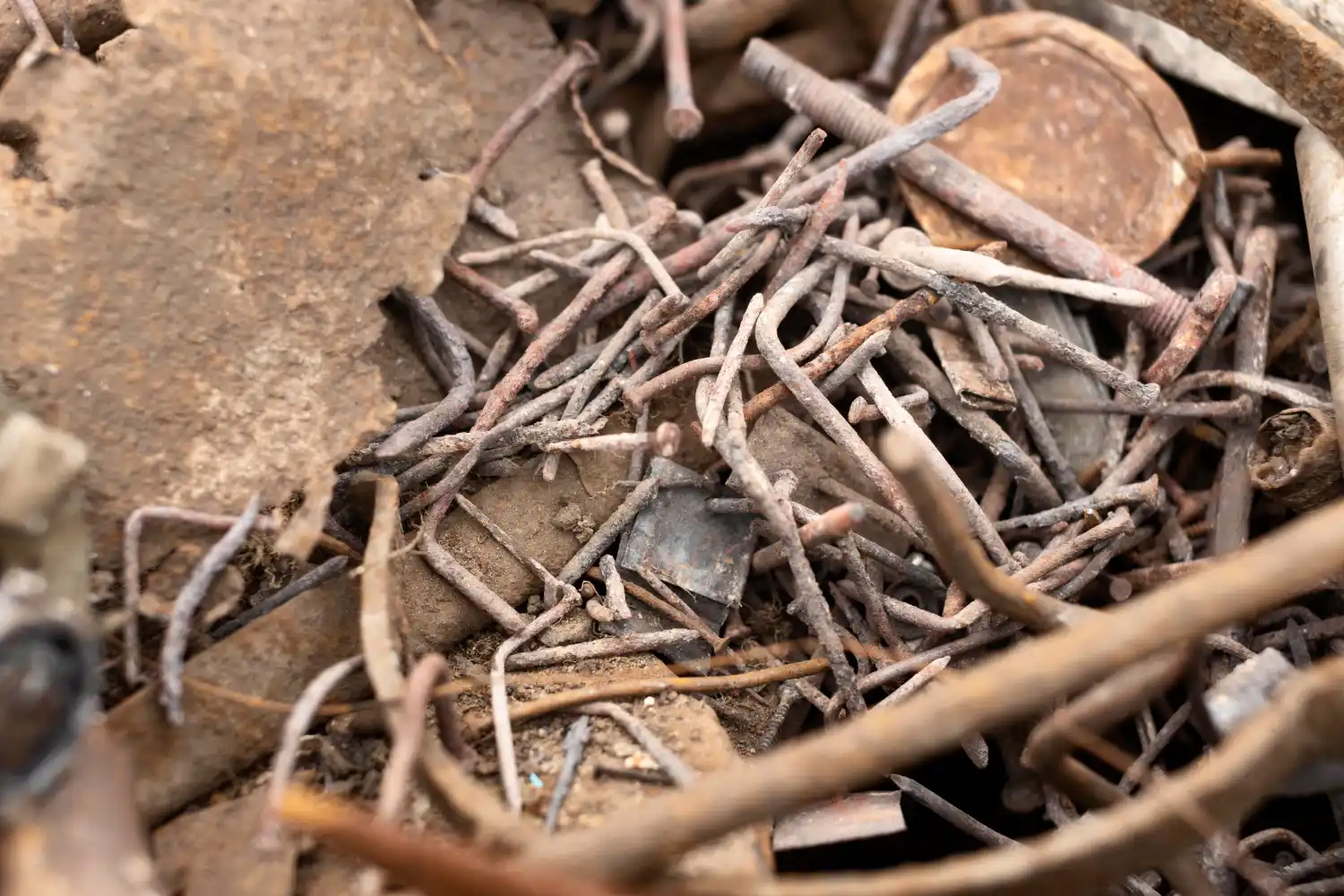
Ferrous metals are basically any metal that has iron inside it. That’s it. If iron is part of it, it falls into this group.Now in real life, this usually means stuff like steel, cast iron, wrought iron, and carbon steel. The kind of metal you see in gates, car bodies, old machinery, building beams, basically anything built to be strong and hold weight.One thing you notice quickly in scrap yards is this: ferrous metal is usually heavy, a bit dull, and often rusty if it’s been sitting outside. That rust is actually a giveaway. Iron reacts with air and moisture, so over time it starts turning reddish-brown.A simple trick we use on-site: bring a magnet close. If it sticks strongly, it’s almost always ferrous. Not perfect science, but in real scrap sorting, it works most of the time.
What are non ferrous metals (and why they matter more in value)
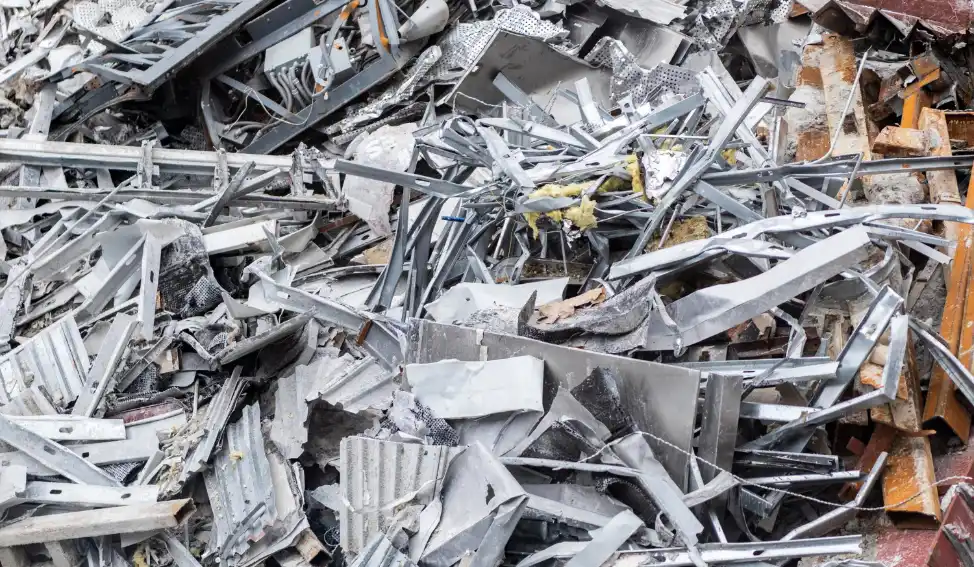
Non ferrous metals are just metals that don’t contain iron. Because of that, they don’t stick to magnets and they behave differently in recycling.These include copper, aluminium, brass, zinc, lead, and tin. If you’ve seen electrical wiring, plumbing pipes, air conditioning units, or shiny yellowish fittings — that’s usually non ferrous material.The interesting thing is, these metals don’t rust the same way. You might see dulling or oxidation, but not that flaky red rust you get on steel.In real scrap work, this is where value changes a lot. Copper wiring from a house strip-out can be worth significantly more than a pile of steel because it takes more energy and processing to produce from raw material. Aluminium is also in demand because it’s lightweight and endlessly recyclable without losing quality.
How you actually tell the difference on the ground
In theory it sounds easy: magnet equals ferrous, no magnet equals non ferrous. But in real life, it gets messy pretty fast. A lot of metals are coated, painted, or mixed. For example, a steel pipe might have a protective layer that confuses people. Or copper wiring might still have plastic insulation on it, which hides what’s inside. So we usually rely on a mix of small checks. Weight is one steel that feels heavier and more “solid” for its size. Aluminium feels almost too light sometimes. Colour also helps: copper is easy to spot once you’ve seen enough of it, brass has that dull gold tone, and aluminium is pale silver-grey. But honestly, experience matters more than anything. After a while, you just recognise scrap by touch and feel without overthinking it.
Why separating ferrous and non ferrous metals matters
This is where people lose money without realizing it. If everything gets mixed together, recyclers have to treat it as lower-grade material. That usually pulls the value down because non ferrous metals get “hidden” inside heavier steel loads.So when someone separates copper, aluminium, and brass before dropping it off, the result is usually better pricing and faster processing. Ferrous metals still matter a lot — steel is recycled in massive quantities — but non ferrous metals often carry more value per kilo. That’s just how the market works.It’s not about making things complicated. It’s actually the opposite. A bit of sorting makes everything cleaner, faster, and more accurate.
What happens after you drop metal for recycling
Once scrap arrives, the first job is separation. Big magnets pull out ferrous metals quickly, steel basically gets lifted out almost instantly. Then non ferrous metals go through other sorting methods. Some are manual, some use machines that detect material type. After that, everything gets cut, shredded, cleaned, and melted down into raw form again. That steel might become construction beams again. Copper might go back into wiring. Aluminium could become cans or car parts again. What’s interesting is that both types can be recycled again and again without losing their basic properties. That’s why metal recycling works so well compared to other materials.
Ferrous vs Non Ferrous Metals Comparison
| Feature | Ferrous Metals | Non Ferrous Metals |
|---|---|---|
| Iron content | Contains iron | No iron |
| Magnet test | Usually magnetic | Usually non magnetic |
| Rust resistance | Can rust | Better corrosion resistance |
| Weight | Generally heavier | Often lighter |
| Common examples | Steel, cast iron | Copper, aluminium, brass |
| Scrap recycling value | Usually lower | Often higher |
CONCLUSION
Once you understand the difference between ferrous and non ferrous metals, scrap stops feeling like “just junk” and starts making sense. A little sorting can genuinely change value and efficiency when recycling.If you’re dealing with mixed scrap in Sydney, getting a bit of guidance from experienced recyclers always helps you get more accurate results. If you want to see how the non ferrous group actually compares in value, our copper vs brass vs aluminum price guide breaks down which of those metals pays the most.