Metal Max Recyclers
Is It Legal to Scrap a Car Yourself in NSW, or Do You Need a Licensed Wrecker?
Self-scrapping a car in Sydney, NSW can be a legal option, or is it?
When it comes to renting an apartment, Dave of Penrith believed he was taking the logical route. His aging Commodore was afraid that he would soon be towed, so he decided to take the car apart in his driveway during a weekend, bring all the parts to the nearby scrap metal yard, and sell the engine on Facebook Marketplace. Three weekends later, he was one with oo eyes and a grumbling neighbor about the smell of fuel being drained, and he had a joke in a scrap yard that wouldn’t take his “vehicle,” as there was no evidence of deregistration and ownership transfer. He had wasted precious time and money in his attempts to do so.
This is a tale that many of us can relate to, Dave. Let’s put our hands up in simultaneous agreement that this question is definitely on-topic—let’s take a look at what it says in NSW rules about scrapping a car.
The Short Answer
In NSW, you may scrap a car yourself as a private, single-time disposal with the vehicle you’re scrapping. You can’t be a dismantler, buy or dismantle other vehicles, sell parts commercially, or drain hazardous fluids without complying with NSW legislation known as the Environment Rules.
So, it doesn’t help to get rid of your own vehicle. It is not OK to operate a wrecking operation without a license.
NSW Law – Truly Regulated
Any motor vehicle recycler must affix details of the motor vehicle recycler license to the outside of the business with which they are the operator of the vehicle, in a prominent place and readily visible to all approaching the business, or face fines for not doing this under the Motor Vehicle Recycler (MVR) rules under NSW Fair Trading.
There are also some responsibilities that most private recyclers never consider. For example, they are required to have a detailed register of parts used and sold in the course of their business; parts that are damaged are marked as having no value, and a $550 fine or prosecution to a maximum of $2,200 can be given to anyone who fails to keep appropriate records. That is the reason it would be better to work at a car wreckers yard that falls under the rules of NSW than a do-it-at-home operation — it is a legal business, and you perform it accordingly.
All of this is not meant to prevent you from customizing your own car. It was formed to prevent unlicensed people from purchasing and stripping wrecks for profit and throwing away the remaining wreck without any liability.
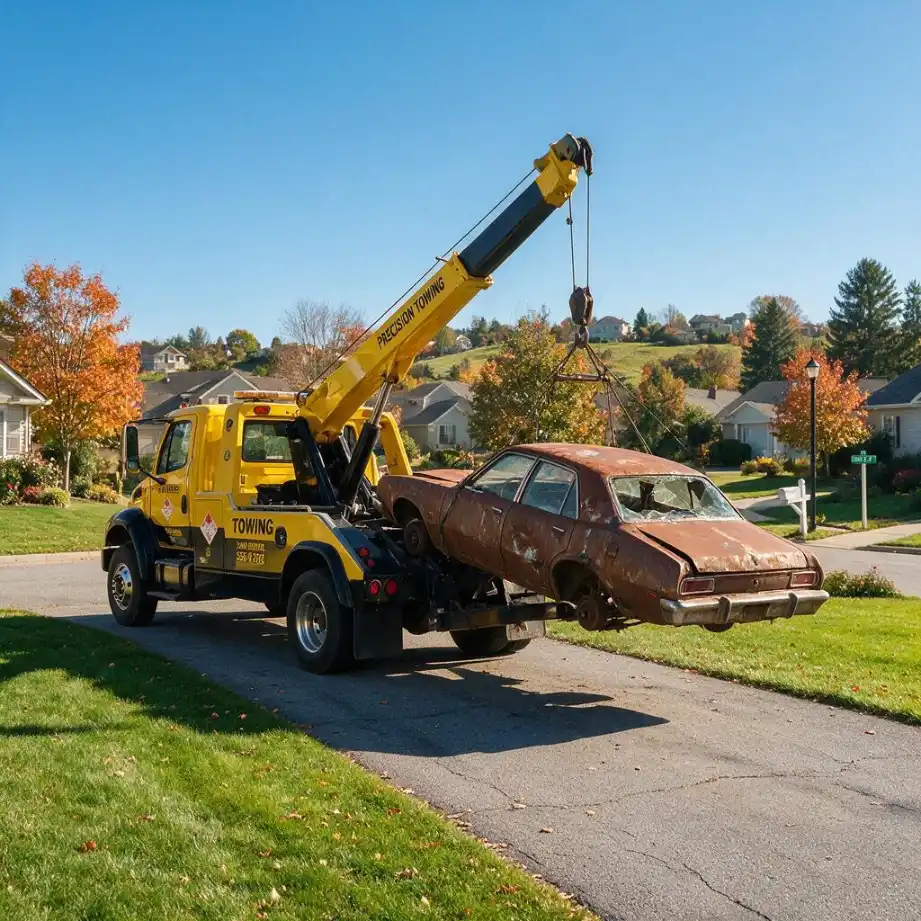
The Places Where DIY Scrapping Is Dangerous
Removing a car panel is not lawful. In real life, it creates the following problems that many people are not prepared for:
- Fluid handling. Prolonged use of oil, fuel, coolant, and brake fluid is all considered hazardous waste. Whether intentional or unintentional, pouring down a drain will violate EPA rules and regulations and may ultimately result in environmental fines.
- Deregistration gaps. Even if it’s not formally deregistered, you can be liable for the toll or fees and even for any offenses that are committed with the use of your car after the car is removed.
- None of his items have been disposed of. There is documentation expected in scrap metal yards and at Service NSW. If you don’t, you’ll have a vehicle awaiting you which no one will buy.
- Resale complications. It’s okay that you sell the parts once in a while, but repeatedly it becomes looked upon by the law as unlicensed trading.
It’s the difference between “good theory” and “good practice.” Lots of individuals underestimate the documentation aspect of scrap car disposal significantly more than the physical labor.
The Deregistration and Notice of Disposal Step
In NSW, deregistration must be done at a service or registry center; you will need to attend in person, and you are usually obliged to bring your number plates, as it is illegal to keep them after deregistration — although you may be able to request their placement into reserve.
A completed Notice of Disposal has to be lodged with the Motor Vehicle Registry within 14 days of the car’s disposal, and the details of the party purchasing the vehicle must be included. This is the moment that makes a forced separation between you and the car, as you can still receive fines, tolls and charges related to the vehicle even if you refuse this step.
Reputable wreckers will make this easier for you. A licensed yard will take the car, look after the paperwork and provide you with a car disposal document — the difference between getting a car scrapped and simply hoping nothing comes out of the woodfire.
Important Note: Even Though Most Wreckers Are Licensed, Many Still Prefer to Hire an Unlicensed One
With fluid handling, deregistration & documentation, who wants to do that without help? There are some practical advantages of having a licensed wrecker:
- Free towing service offered, no cost or hassle getting the car off of your property.
- Compliant handling of fluids and hazardous materials, freeing you from dealing with EPA problems.
- Certain paperwork needs for deregistration and the Notice of Disposal.
- Payment, of course, while the job is still being done so that everyone is happy and gets done what they want done; even if the car was entirely written off, it can still have a precious scrap value and some parts value.
- More legal responsibility, as the business is licensed, inspected, and records must be kept for 6 years.
When the figure is calculated after including towing costs, time, and disposal fees, there is virtually no advantage to vehicle dismantling as opposed to selling the vehicle, especially to a garage dedicated to professional car towing services.
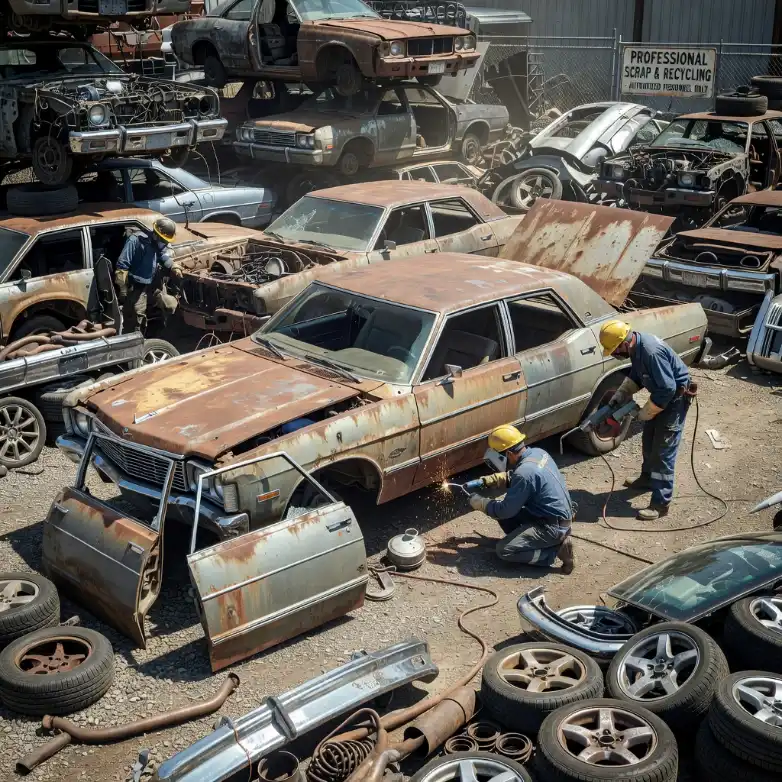
Thinking in Simples
If you really just want to dispose of one car you currently own, you have the option to completely handle all the fluid removal, deregistration (which encompasses the inspection process) and paperwork without any assistance from a dealer, but you do become the conduit for changing ownership of the car and all of its fluids, while also taking on the responsibility of working out all the paperwork issues. Licensed car wreckers NSW services are there to handle it properly, quickly, and provide you with a paper trail to protect you after the fact. Soon, Dave rang one. In the span of one day, the car was gone, and the odor was gone from the driveway.
Once a vehicle is taken apart, its recoverable steel, aluminium and copper still needs somewhere responsible to go — our general metal recycling service handles that side of the process, and our guide to the scrap metal recycling process explains what happens after collection. If your car’s wiring and radiator are worth separating out, our copper vs brass vs aluminum price guide shows which of those metals pays the most. Selling the leftover metal yourself instead? Our guide on the ID needed to sell scrap metal in NSW explains what a yard will ask for. For a straightforward, fully documented pickup, you can always contact our team to arrange a free collection.