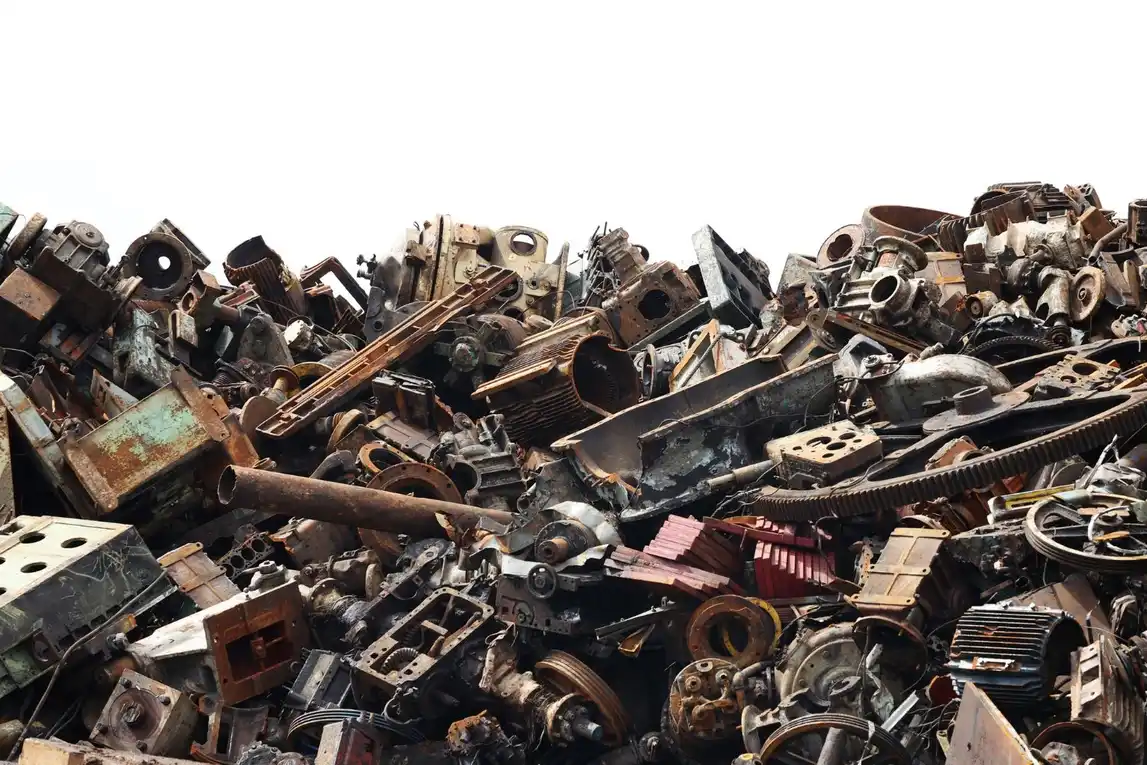
Scrap metal recycling - a term we hear a lot but usually dismiss it as a "not-my-job" kind of thing. Our minds interpret recycling as big trucks or construction crews in green, but what if you knew that the aluminum cans that you drink from is actually the most sustainable packaging on the planet? A thing seen as trash, when in reality it is a raw material waiting to be transformed into something new and fill your wallet in the process.
This blog explores the recycling process - from collection to reuse; because sometimes, knowing how things work makes the process feel more productive.
Also read: How a professional metal recycling service in Sydney helps reduce waste and quick and hassle-free scrap metal pickup services in Sydney
Step 1
Collecting Scrap
Discarded household items are easy to overlook when their value is not obvious. A general scrap metal pickup service can collect mixed loads, while our guide to recyclable scrap metal items helps you decide what to set aside. Common examples include:
Household scrap
Construction and industrial scrap
Not only in households, but scrap is also collected from construction sites and industrial facilities:
- Metal Beam & Rebar
- Aluminum Sliding & Window Frames
- Wires & Cables
- Zinc & Titanium
Scrap metals are often collected by recycling facilities, local scrap yards and independent collectors.
Step 2
Sorting The Scrap
When scrap is collected, it is separated into:
Ferrous Metals
Magnetic iron-based metals such as iron.
Non-ferrous Metals
Non-magnetic metals like aluminum.
This is done to maximize financial value, ensure efficient recycling and to protect the environment. Sorting high-value metals like copper from low-value metals like steel & iron plays a huge role in the scrap prices, and prevents valuable metals from being paid at lower metal rates. Moreover, sorting helps remove contaminants which makes the material efficient enough to be reused.
Step 3
Purifying and Shredding
Once the metals are sorted, it is prepared to be sent to a furnace. Just like appliances like washing machines or dishwashers can not be thrown as whole into a furnace - this step is about sizing and purity.
Shredding
Massive metals are fed into giant industrial shredders. This machine uses powerful rotating hammers which tear the metal into small pieces for furnaces. Shredding is an important step in scrap metal recycling. This is because small pieces of metal melt faster and use less energy as compared to large chunks.
Purifying
Even though the metal is sorted, small unseen impurities like paint, plastic or debris might still be stuck to it. Following are some methods to clean the metal completely:
Magnetic Separation
A magnetic conveyer belt is run over the metal chunks. The powerful magnets ensure no stray pieces are mixed in with your high-value scrap like aluminum or copper.
Thermal Cleaning
Some facilities use heat to "bake off" non-metal impurities like paint coatings or any plastic residues.
Air Separation
High-pressure air blasts are used to blow away light contaminants like foam, plastic or paper stuck on the metal.
Step 4
Melting in the Furnace
Now comes the melting part - this isn't your regular pizza baking in the oven, these are giant industrial furnaces each designed for a different type of metal. Following are some characteristics of the metal furnace:
- Since each metal has its own furnace, each furnace has its own melting point too. For example, in aluminum furnaces, temperature can reach up to 660 degree celcius.
- Melting recycled aluminum uses 95% less energy than creating new aluminum from scratch (bauxite). This is why recycling metal is so important! it saves energy and lives - lives of mineworkers, who extract metal despite dangerous conditions.
- Skimming, also known as the final purification in the metal recycling industry, is a process in which stubborn impurities like dross or slag float to the top. Workers use large skimming tools to scoop this waste up, leaving precious, shimmering pure metal behind.
Step 5
Creating New Materials - Solidification
This is the fun part - finally creating new things from the recycled stuff. It is like the playdoh we molded as kids!
Casting
The liquid metal is poured into molds to form blocks called ingots. As it condenses, it takes the shape as the mold.
Rolling
Things like the aluminum foil or soda cans are thin, why? because these blocks are rolled flat by heavy rollers.
New Product
By the time it sets, it has been transformed into a new item. Your trash is once again a valuable, high-quality product.
Step 6
Distribution and Reuse
Once new products are developed, they are sent to manufacturing facilities. These facilities are in-charge of the packaging and the shipping of these products to markets and industries, hence repeating a loop - a meaningful loop.
Why it matters
But the real question arises - why though?
This "why" is very human - because why would someone go through so much trouble on a mere soda can? Well, here's why:
The Energy Factor
Metal recycling plays a huge role in saving energy. Since creating and mining raw ore from mines is an exhausting and energy-consuming job, melting down a scrap metal is far easier. See our full scrap metal recycling energy savings breakdown for the real numbers behind mining versus recycling.
Did you know?
- Aluminum recycling saves 95% of energy
- Copper recycling saves 85% of energy
- Steel recycling saves between 60 to 75% of the energy
All required to mine it from scratch. Isn't this equivalent to giving our Earth a rest?
The Environmental Factor
The environment thanks you every time you choose to recycle because of the following factors:
- For every ton of steel recycled, we save the environment of about 1.5 tons of carbon dioxide going into our atmosphere.
- Eliminating the need to mine from ore also saves billions of liters of water, since recycling can reduce water use significantly. Moreover, it saves our bodies - the more you recycle, the less contaminated our oceans and rivers will be.
- Metals take centuries to break down, recycling them keeps them out of landfills where they could potentially lead to toxic chemicals like lead or mercury.
The Economic Factor
Recycling comes with a reward - money.
Did you know?
- The scrap industry is a major economic driver!
- The scrap industry alone offers numerous jobs eliminating poverty and unemployment.
- Recycled scrap offers instant cash depending on the market value - that is earning free money off of a grimy toaster.
- Manufacturers can stabilize their budgets by using recycled materials which are much cheaper than primary ones, keeping consumer prices manageable.
Final thought
Let your soda can travel the world - your recycled can could become a part of a high-tech electric car in Greenland. Whether it is old motors, gears, wires or appliances, don't hesitate.
Recycle - to make your wallet and your environment happy.
Don't kill the dreams of the can you tossed in the bin this morning.
Related Services and Guides
These pages connect directly to the materials and steps mentioned throughout the recycling process above.
General metal recycling in Sydney
Use this service when you have mixed household, trade, or site scrap that needs sorting and responsible processing.
Explore pageGeneral metal pickup
Arrange collection for bulky loads before they move into the sorting, shredding, and furnace stages.
Explore pageCopper recycling
Separate wires, cables, and higher-value copper for better recovery and more accurate payout.
Explore pageBrass recycling
Handle brass fixtures, valves, and fittings that commonly appear in household and renovation scrap.
Explore pageRules for Scrapping a Car in NSW
Understand the legal disposal steps before an end-of-life vehicle enters the recycling process.
Explore pageFrequently AskedQuestions
Answers to common questions about recyclable metals, scrap drop-off, and getting better value from your load.
What type of scrap metal can I recycle?
A wide variety of metals can be recycled such as; copper, aluminum, steel, iron, brass, bronze etc.
Where can I submit my scrap metal?
One of Sydney's most trusted facilities - Metal Max Recyclers. With years of trust and fair payouts, submit your scrap by visiting our drop-off facility or get in touch via our contact information to get more details.
How can I maximize profit on my scrap?
To maximize payout on your scrap, strip away non-metal parts like plastic or rubber from your scrap. Yards pay significantly for clean and sorted scrap rather than dirty and unorganised batches.
Need help sorting or booking your scrap?
Speak With METALMAX