Metal Max Recyclers
What Happens If You Accidentally Sell Stolen or Unverified Scrap Metal?
Published October 11, 2026 · METALMAX Recyclers
Most sellers of scrap metal will not have a mind for crime. They are considering a cleanout, some extra money, or a garage/job site that could be done. But every now and again, someone brings in a ton of metal that they have collected, found on the road, or bought from some stranger, without realizing that they might have become exploited in the process. However, from time to time, someone enters a recycling yard with metal that he/she has collected from the road, found, or picked up from a stranger they barely know, unaware that they were unwittingly exploited while doing so. That’s when things can get complicated quickly.
That is more of an issue people don’t think of asking: what happens if the metal I am going to sell is stolen? The real answer is that it depends on everything you know, everything you can substantiate or prove, and whether the recycler that you sold to was doing their job well.
The Tale of the Contractor Was a Quick Story
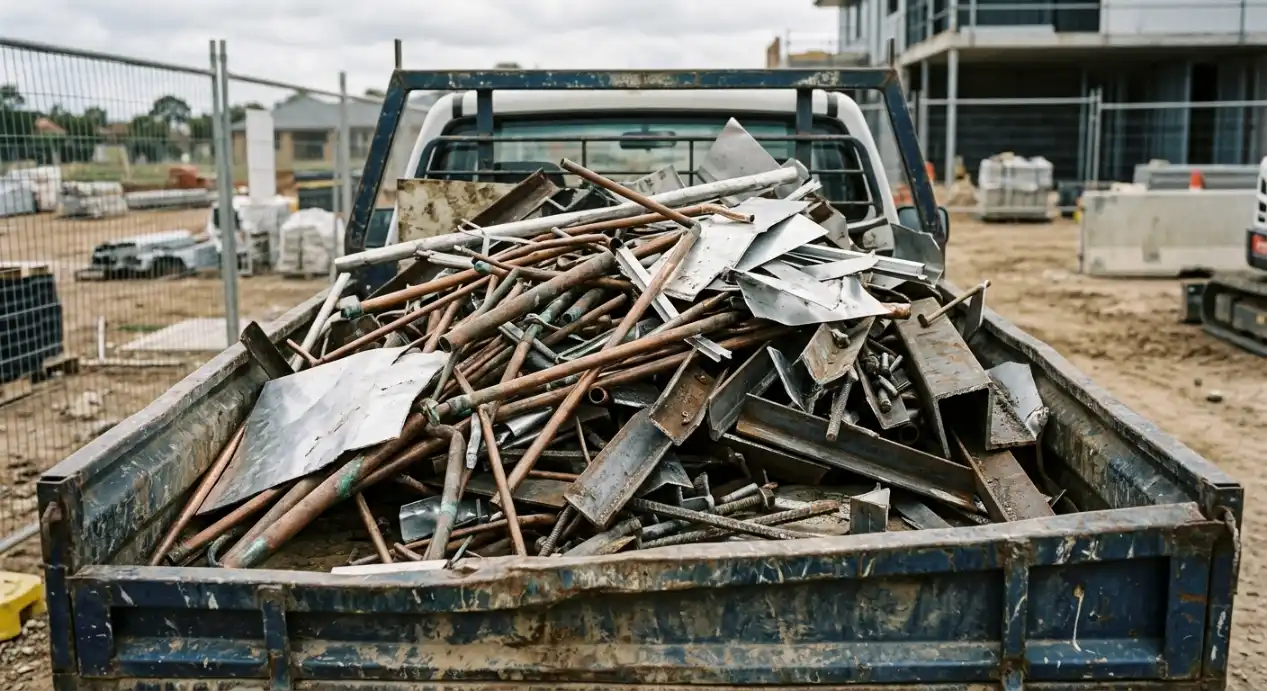
A small contractor approached us last year, in response to a call from local police. He had removed all the copper pipe and old fittings from a wrecking site, on a sort of cash job for a mate, with no paperwork, no invoice, and just a quick pickup. He sold the load of material out of town for a reasonable price and forgot about it.
Police traced the metal back to an alleged theft by the same thieves within a construction area close to the locations about a week and a half after the items were stolen. There had been no stealing going on by the contractor himself; he simply didn’t know that the metal had been stolen, and as he was unable to prove where it had originated, he was drawn into an investigation which wouldn’t signify until months later. It took him some time, some stress, and a number of word-of-mouth explanations to customers.
His was by no means an unusual circumstance. It is one of the most transparent beginnings of an inquiry into a case of stolen metal in NSW. Inspiring very little criminal activity, it is often a matter of merely someone failing to establish where the metal is from.
The Reason Why This Is More Common Than You’d Think
When someone pulls down the scrap metal, there’s no receipt attached to it. Copper, aluminum, and steel all appear exactly the same when dug up at a renovation site or at a construction site at night. Hence, it is a persistent issue throughout NSW, as Scrap Metal Theft would be, it’s a material that’s easy to transport and hard to track once it’s been mixed or melted with other loads.
One of the common occasions in which people get themselves in trouble without being aware of the situation is:
- Purchasing metal without verification from the owner at a marketplace or online marketplace.
- Uncontrolled access by passing from cash to the worksite without inquiry of who gave permission for access.
- Entering items in a friend’s contact “doing a favor” without checking their identity.
If it’s a pile of shiny and proper-looking metal, it is probably a whole tin of it. If it’s a bulk of clean-sounding metal, it’s most likely a whole lot of metal.
Under none of these circumstances is there someone seeking to break the law. However, NSW law will not always provide a sufficient defense of ignorance.
What the Law Actually Means
Licensed recyclers must satisfy legislation in NSW pertaining to the trade of scrap metal, which implies they are legally compelled to establish who the sellers are and, in a lot of circumstances, document the source of various controlled metals. It’s not for the sake of red tape; it’s done in order to prevent anything stolen from being resold and lost in the supply chain.
If it is discovered later that the metal was stolen, there are a couple of options, depending on the situation:
- The seller, who is not necessarily the initial robber, can be asked or investigated.
- A recycler can be forced to turn over records of transactions and ID to the police.
- If charges concerning the receiving or dealing with stolen property exist, they can be used for serious or repeated violations.
- The payment for this load can be denied or canceled until the matter is investigated.
This is one of the reasons it is very important to be able to sell your scrap metal legally, just as it is important to buy it legally. From those sending it off to those taking it in, anyone along the whole chain is responsible for keeping that paper trail intact.
Recyclers Recognize the Value of Protecting You
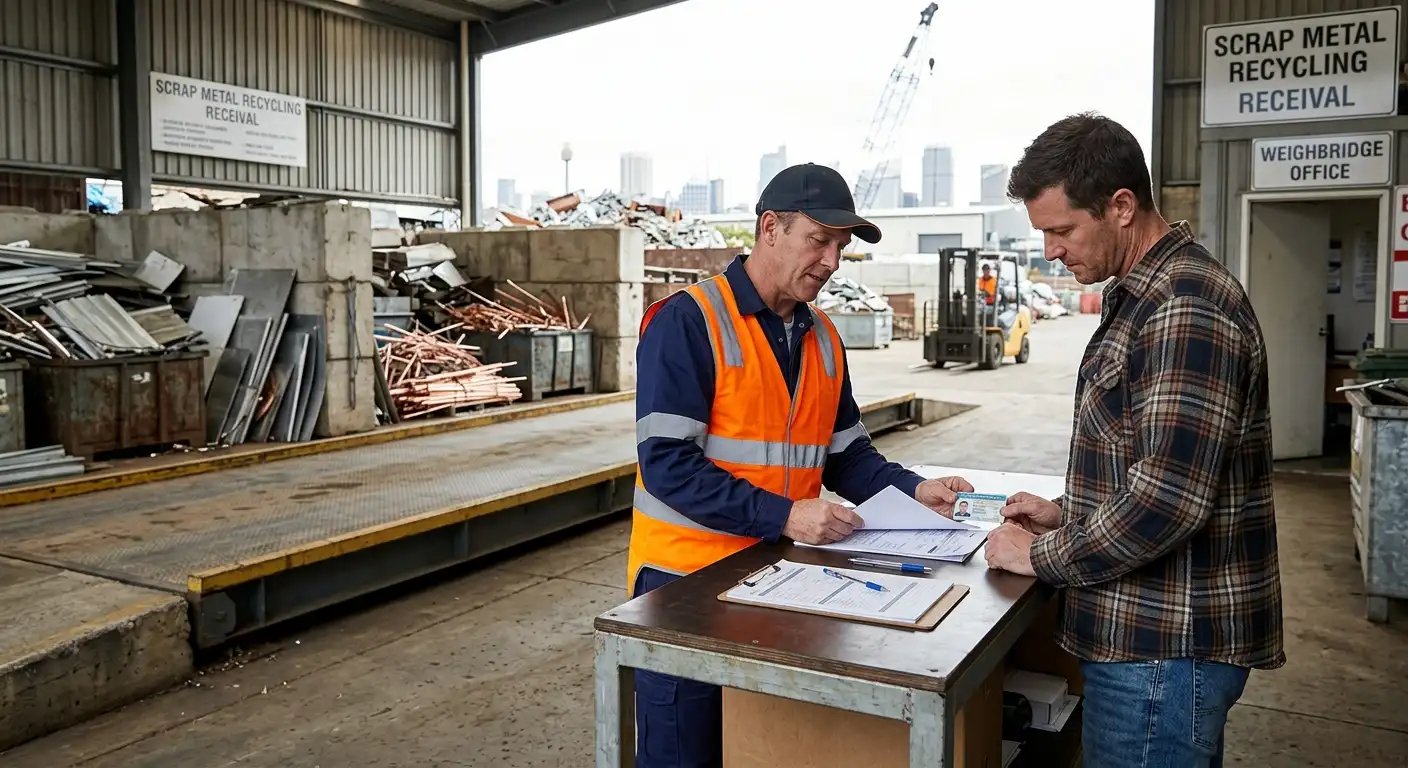
Asking for ID and proof to be a well-run recycling yard isn’t just doing a favor for itself; it’s also doing a favor for the seller! When you have to verify at the point of sale, you get a record of the sales transaction, and that makes a difference if there are any questions later on.
Before going to sell your next big load, take time to consider:
- Do I have knowledge of the origin of this metal?
- If called upon, can I give the name of the authorizer for its removal?
- Am I doing business with a licensee who will properly record the sale?
If you’re not sure of any of these answers, you should check out the options before giving it to someone else.
Our Approach
At a Sydney-based scrap metal recycling business, verification is very important as it indirectly delays customers but is more stringent to protect all trading parties. All sellers are requested to present identification, and those loads are considered more thoroughly before being accepted for payment where they are larger and/or pose a greater risk. A minor, but important gesture which can keep a real seller from getting into trouble without his or her own fault.
We would rather direct a couple more questions with no client having experienced what our contractor did. The key is a yard that isn’t just a metal collector and actually cares for the people who carry the metal to them.