Metal Max Recyclers
Why Is Data Center and Clean-Energy Growth Pushing Up Demand for Certain Metals?
When it comes to finding a place to sell scrap copper or old electronics, whether it’s in the form of hardware or software, you have seen an uptick in interest in their prices. This is at the heart of the short answer here: the world is moving forward with data centers and clean energy, more quickly than it is mining and refining metals. At the heart of two growing industries – the AI industry’s infrastructure and the transition to renewables – are copper, silver, and rare earth elements, which are also pushing up the stock of all metals that are in demand.
It’s observed at our Merrylands yard first-hand each week, and it’s an issue that needs to be understood correctly, as it applies to anyone from an electrician, demolition contractor, or homeowner clearing out an old shed.
The Call That Changed Everything
An electrical contractor from Parramatta called us a few months ago, wanting to get rid of some 300 kg of decommissioned copper cable from a commercial fit-out. The general assumption was that it was trivial stuff and it wasn’t worth sorting. Its value came in higher than his expectations as our team checked it again, but this was partly due to the price of copper increasing at the same time AI infrastructure was being built all over the nation. He had been kicking the idea around for weeks, considering it not worth contacting us by phone. It’s one conversation that changed his approach to all jobsites today; he sorts and recycles cabling on the spot instead of putting it in a general waste skip. The small story is one of a much larger transformation taking place in the metal markets these days.
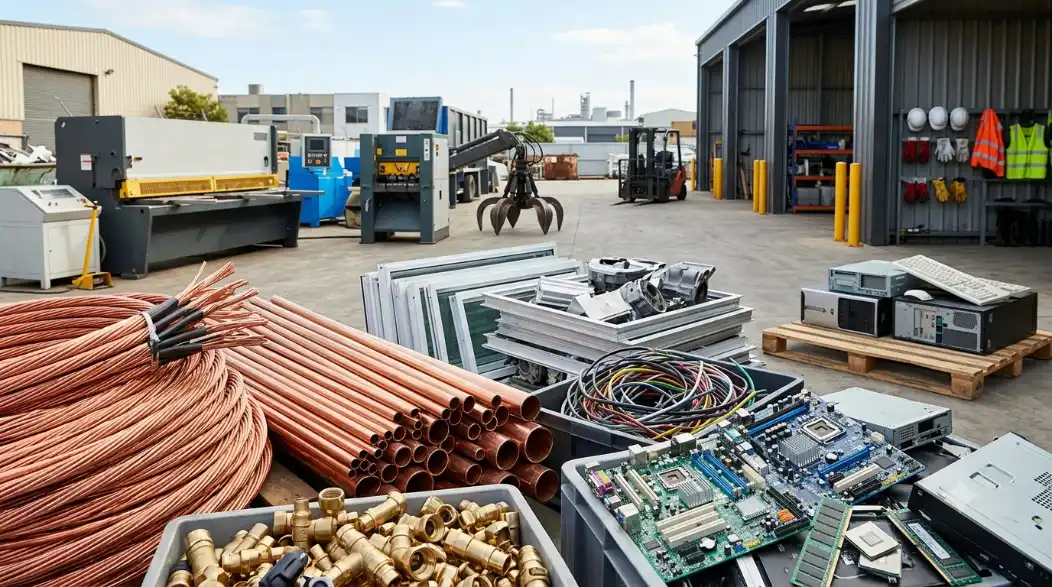
Every Data Center Needs Copper Cables to Be Its Backbone
It is a classic example that everything here in every data center is structured around kilometers of copper. It is used in power delivery, cooling systems, networking infrastructure, and backup systems, and there is no viable alternative at scale. The amount of copper required for a standard data center is in the thousands of tonnes; an AI-centric data center would require thousands of tonnes for itself. Global data center capacity continues to rapidly expand, and industry analysts now predict for this year alone that there will be a measurable gap between consumption and supply of refined copper that has not been more apparent in recent years.
That’s the reason for much of what’s occurring in Sydney scrap yards. Perspectively, a simple item, copper has become a critical resource, with the price reflecting this.
Clean Energy Has a Metal Appetite, and It’s Finding It
Data centers aren’t the only motivator. What is causing all the muscle in clean energy is the same supply chain, albeit using other technologies.
- Silver is used in the conductive layers of solar panels, and the increased installation of solar panels across the globe has caused silver demand from solar panels to exceed some of the market’s expectations from a few years back.
- Copper windings and cabling are essential to wind turbines and electricity substations, putting additional pressure on a tight market.
- Modern battery storage facilities, often linked to solar and wind power stations, employ a great deal of copper and other conductive metals in wiring and electrical connections.
None of these technologies can be executed without metal, and none can be scaled without additional metal to the extent that they exist in the industry.
Huge Quantities of Copper Are Being Absorbed Into Grid Upgrades, Quietly
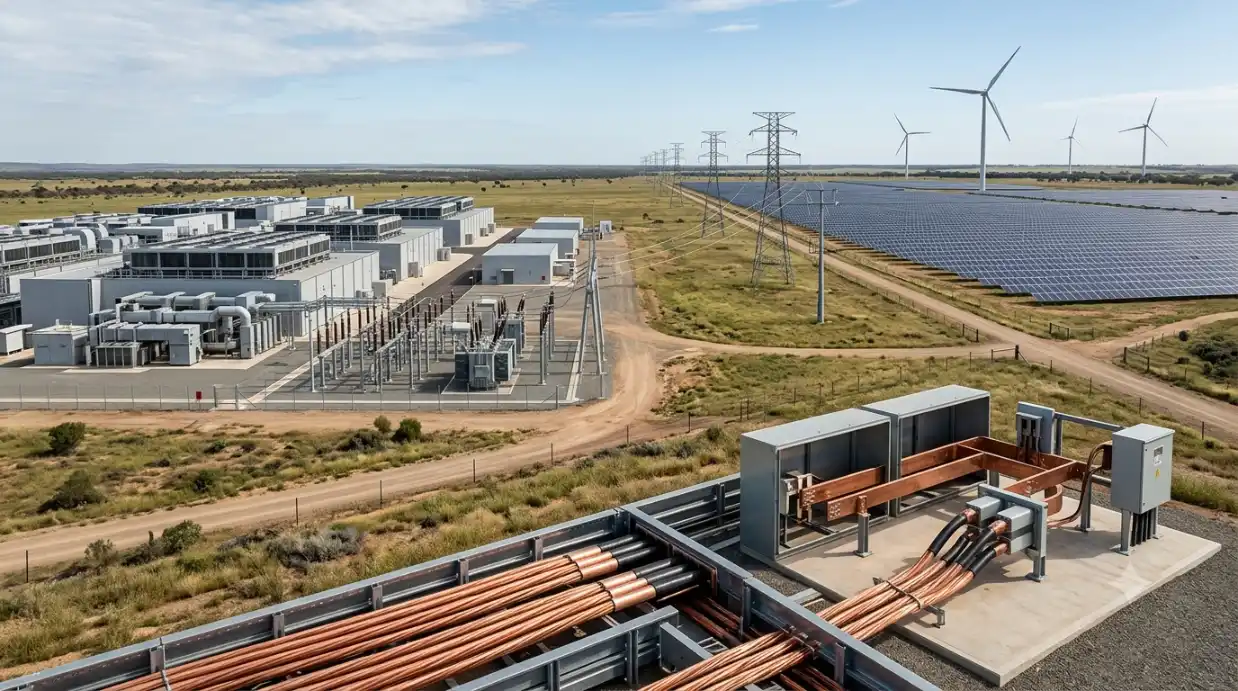
In the rush toward data centers and solar farms, it’s easy to forget about the network in between. Electrical grids are aging in Australia and other developed countries, and are being upgraded for two-way power flows, new renewable electricity generation, and greater electricity demand generally from data centers and electric vehicles. Every substation upgrade, every new transmission line, and every large battery installation contributes to the pressure on copper supply for grid upgrades, as copper is still the most effective conductor for large-scale power transmission. Meanwhile, analysts overseeing the world’s electrification forecasts are projecting continued rising demand for copper on the electrical grid, regardless of the respective growth of AI and renewables.
The Challenges of the Electric Car and the Rare Earth Squeeze
Rare earths are yet another story. These components are geographically clumped and can be manufactured in only a handful of producing and refining nations, feeding the powerful magnets found in EV motors and wind turbine generators. The rarity of these elements has transformed from a mere prediction to a real supply chain problem, particularly on the roadmap for EV manufacturers as it becomes increasingly common. Several kilograms of rare earth materials are normally needed for a single EV motor, and there is no fast method of opening up fresh rare earth mining or refining sites to rapidly meet the surge in demand.
That’s partly why top electronics and technology firms have begun investing in recycling rare earths from old hard drives and electronics instead of relying solely on newly dug-up ones.
How Recycling Is Helping to Make a Difference
That’s where things return to the nuts and bolts of homes and businesses all around Sydney. A kilo of copper cabling, brass fittings, or an old electronic device is a kilo that does not have to be re-mined, re-refined, and shipped halfway across the globe for recycling. At present, there is a shortage of a large number of metals, making scrap metal no longer an option, but a necessity in the supply chain.
- Offcuts of copper wiring, pipe, and cable from a renovation or demolition project are valuable in today’s market.
- Old electronics and batteries and e-waste may hold small but very significant quantities of silver and rare earth elements.
- Brass, aluminum, and other general scrap items are still playing a back-up role in easing pressure on new mining.
When it comes to the value of a business clear-out, shed clear-out, or renovation, rather than assuming that the value of the scrap metal is not worth the effort, it’s better to get it assessed. In the current market, this is a costly guess to take.
Final Thoughts
Data centers and clean energy pushing up metal prices are not a fluke. It represents a structural change in the amount of copper, silver, and rare-earth material required by the modern economy, and the trend is accelerating. The shift alone is indicative of the importance of fair, responsible recycling more than ever, not just to your wallet, but also to put less strain on the planet’s finite mineral resources. Check today’s scrap metal prices or get in touch to have your load assessed.